

Troubleshooting Remote Worker VoIP: Solving Latency, Jitter, and Packet Loss
The rapid transition to a globally distributed workforce has fundamentally permanently altered traditional telecom network architecture. Instead of deploying and managing a single, highly controlled corporate Local Area Network (LAN) protected by enterprise-grade firewalls, IT departments must now support and troubleshoot hundreds of unmanaged, highly volatile residential internet connections.
When remote call center agents experience "robotic" audio, voice clipping, or randomly dropped SIP sessions, the root issue almost never lies with the core UCaaS infrastructure. The vast majority of VoIP degradation occurs on the "last mile" edge network—specifically, the Wi-Fi router sitting inside the employee's living room.
The UDP Protocol: Why Voice Traffic is Fragile
To troubleshoot telephony, administrators must understand how audio data is transmitted. Unlike downloading a file or loading a web page (which utilizes TCP), Voice over IP (VoIP) packets—specifically the RTP (Real-Time Transport Protocol) media streams—are transmitted via UDP (User Datagram Protocol).
UDP prioritizes speed over guaranteed delivery. It requires a continuous, unimpeded flow to the destination. It does not wait for digital acknowledgments, and if a packet is dropped in transit, the protocol cannot and will not re-send it.
Identifying the Big Three: Latency, Jitter, and Packet Loss
- Latency (Ping): The time it takes a packet to travel from the remote agent to the SIP server. Anything consistently above the 150ms threshold will result in noticeable conversational overlap, where the agent and customer awkwardly talk over one another.
- Jitter: The variation in latency over time. If packets arrive out of sequential order, the softphone's Digital Signal Processor (DSP) drops them entirely. When the Jitter Buffer overflows, it results in the classic robotic, scrambled, or "underwater" audio effect.
- Packet Loss: When data packets are entirely dropped due to Wi-Fi RF interference or ISP node congestion. Consistent packet loss exceeding just 1% degrades HD audio quality significantly, leading to clipped syllables and dropped consonants.
Diagnosing residential edge network failures requires deep visibility into packet sequencing and UDP state tables.
The Dangers of VPN Encapsulation and SIP ALG
Many IT departments force all remote worker traffic through a corporate Virtual Private Network (VPN) for security. However, routing real-time UDP voice traffic through a VPN tunnel introduces massive encapsulation overhead and double-encryption delays. This routinely destroys call quality. Best practice dictates implementing "Split Tunneling," allowing the VoIP softphone app to bypass the VPN and route directly to Eleven Solutions' SIP servers over the open internet via secure SRTP/TLS encryption.
Additionally, consumer-grade residential routers often have a feature called SIP ALG (Application Layer Gateway) enabled by default. SIP ALG attempts to inspect and modify SIP packets to help them navigate NAT (Network Address Translation). In modern SIP environments, this feature aggressively corrupts SIP headers, leading to one-way audio (where the agent can hear the customer, but the customer hears silence) or failed call registrations. SIP ALG must be disabled on the home router.
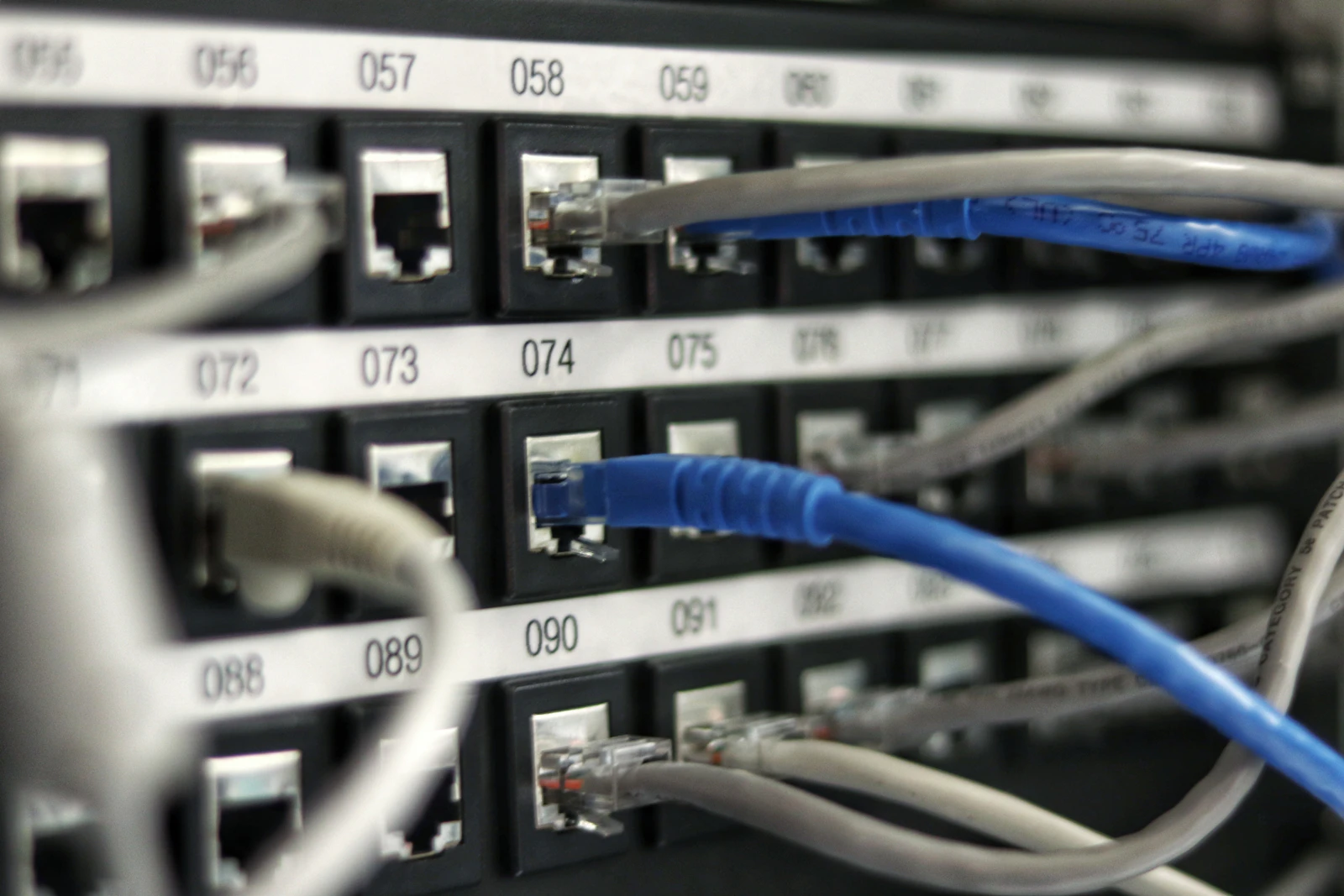
Split tunneling prevents voice packets from bottlenecking at the corporate VPN firewall.
Proactive Remediation and Codec Optimization
To permanently stabilize remote worker communications, IT directors must enforce strict environmental operating standards. First and foremost, mandate hardwired ethernet (RJ45) connections. Wi-Fi is highly susceptible to localized RF interference from microwaves, Bluetooth peripherals, and congested apartment building channels.
If bandwidth constraints remain an issue, administrators should implement aggressive Codec optimization within the softphone profile. While the G.711 codec provides uncompressed, lossless HD audio, it requires roughly 100 Kbps of symmetric bandwidth. Deploying dynamic, compressed codecs like Opus or G.729 requires significantly less bandwidth (often under 30 Kbps), making the audio stream exponentially more resilient to residential network congestion and ISP bandwidth throttling.